How to Introduce a Dog to a New Home After a Move

Moving to a new home ranks right up there among life’s most stressful, yet exciting events. This also holds true for your dog. New rooms, unfamiliar smells, a new yard, and a neighborhood of new people and pets. Introducing your dog to a new home is very exciting — but also overwhelming.
No matter if your home is in Seattle or Denver, planning ahead with these few simple steps you can take to help your dog adjust to new sights, sounds, and smells.
Choose a home with walkability in mind
When house hunting with a dog in mind, the surrounding neighborhood matters just as much as the home itself. Dogs thrive on routine walks, new smells, and opportunities to burn off energy, so living somewhere that makes those outings easy can make a big difference in their overall well-being.
One helpful tool for evaluating a neighborhood is Walk Score, which measures how walkable an area is based on proximity to parks, trails, sidewalks, and everyday amenities. A higher score typically means you’ll have more destinations within walking distance, great for daily dog walks, quick potty breaks, and weekend strolls.
Access to nearby green space is also worth prioritizing. Homes close to parks, walking paths, or dog-friendly trails can help your pet stay active and mentally stimulated. Even smaller neighborhood parks or tree-lined streets can provide the variety and exercise dogs need to adjust comfortably to their new environment.
Pack up gradually
Try your best to remain calm during the weeks that you’re packing up your home. From gathering packing materials to organizing your moving boxes, there are tons of things to get done. If you’re super-stressed, your dog will pick up on your emotions and feel uneasy as well. If you can stay organized and collected and pack up over time, your dog will feel more at ease during this transition.
Find a new vet
Your hometown vet may have recommendations for an alternative in your new town. Or, if you’re relocating to a new city, like New York, for work, check with your new employer. Their HR department may have referral services. If your chosen vet’s office isn’t open 24/7, also find an emergency vet in your new area who’s available at all hours. Add the vet’s phone number and address to your phone, and learn how to find your way there.
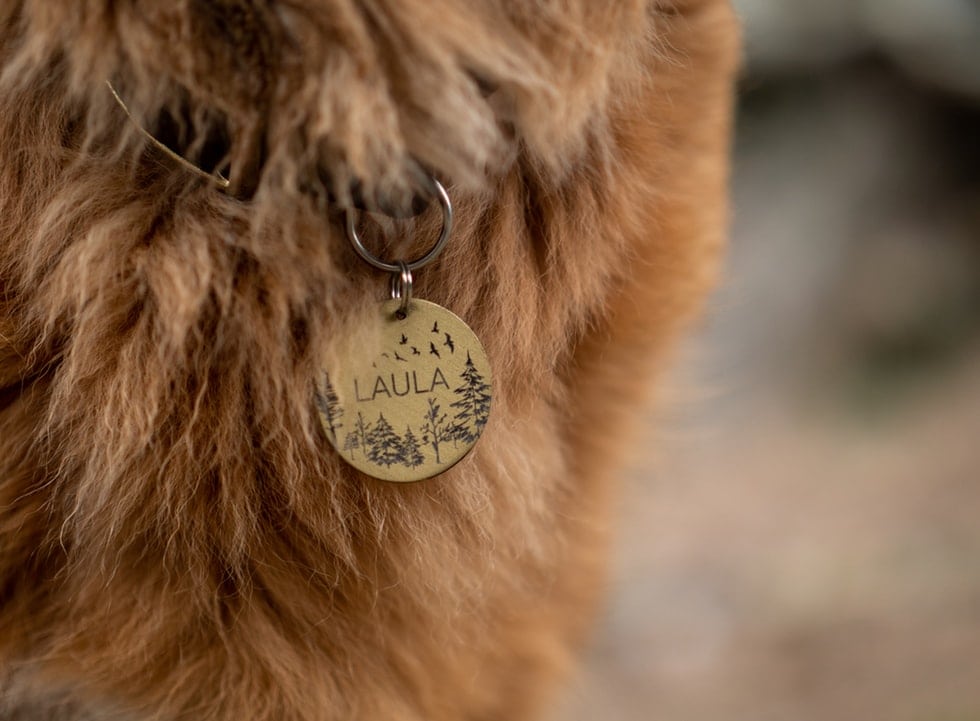
Get new collar tags before you move
You should also get a new ID tag for your dog, and put it on before you move; many dogs get anxious and may try to run away in the first days in a new home. With many new smells and sounds, if your dog does run away during the first few days at your new home they may have less of an idea of where to come back to, which is why having these news tags is so important.
Check the house for pet hazards
Before you move in, carefully scan the house for potential pet hazards. Look high and low. Stoop down to your dog’s level to look for hazards on the floor, and also look to levels where your dog may be able to climb or jump. Even if your dog isn’t a climber, a new environment may cause stress and lead to unusual behavior.
Be especially careful to look for:
- Possible poisons: Household cleaners, antifreeze, paint, pesticides, medications (prescription and over-the-counter, including vitamins), and houseplants. Medications are by far the leading cause of calls to the Animal Poison Control Center.
- Choking hazards: Give your house a clean sweep before moving in and look for buttons, needles, Legos and other tiny toys or game pieces that may have been left on the floor. Make sure window blinds and shades are well out of reach.
- Electrical or heat sources: Small appliances, furnaces, fireplaces, and electrical cords.
- Escape routes: Make sure fences and gates are closed and look for loose or missing window screens.
Make the introduction fun
“From our perspective, the biggest challenge for dogs after a move is the sudden change in environment, from unfamiliar floor plans to new outdoor smells and neighborhood noises that can create anxiety,” Oliver Lockwood-Powell with Advanced Moving explains. “We recommend setting up a familiar space immediately with their bed, toys, and food in one consistent area so they have a secure home base on day one, while keeping feeding and walk routines as normal as possible. When buying a home, consider fenced-in yard space, traffic levels, nearby parks, and neighborhood activity, since these factors greatly affect how smoothly your dog adjusts. At Advanced Moving, we understand pets are family, and we work to make every transition as calm and organized as possible.”
Try not to leave them alone during the first day in the new home, they may be nervous, and you are what they are most familiar with. If you do need to leave your dog in your new home alone, consider finding a new local pet sitter and using pet sitting software to track how their day is going. Introducing your dog to their new home can be difficult, but with patience and hard work, they will feel at home in no time.
Recreate the familiar before you create new
Make each day’s routine consistent. Many people want to get all-new stuff after a move, but it is advised to help your pet become familiar with the new environment and ease into it.
“Dogs do not understand the concept of a move. They understand scent, routine, and safety,” Paige Chernick with Pride+Groom details. “In the first few days, resist the urge to immediately change everything. Set up their bed, crate, blankets, and food bowls in a quiet corner that feels consistent and predictable. If possible, place their bed near where you spend most of your time so they can monitor you.
The more secure your dog feels, the smoother the transition will be. “Keep feeding times, walk times, and bedtime as close to the previous schedule as possible,” Chernick continues. “Structure lowers cortisol and helps regulate anxiety during environmental change. Many owners unintentionally overwhelm their dogs in the first week. Instead of giving full access to the entire house immediately, start small. Allow access to one or two rooms and gradually expand territory. This prevents overstimulation and reduces the urge to patrol.”
Be patient
Be patient and let your dog adjust at their own pace. Some dogs will be perfectly comfortable within a few days, but others may take weeks or months to feel at home and settle in. “When you move to a new home, many things are unfamiliar to your dog. One of the best ways to help them adjust is to immediately recreate some normalcy,” Cathy Madson, Certified Canine Behavior Consultant at Preventive Vet, emphasizes. “Set up their bed, toys, and food station in a quiet area and keep their daily routine as consistent as possible, including walks, meals, and downtime. Give them time to explore the new space gradually, and supervise early yard time so they can safely learn the boundaries. A little structure and patience in those first few days can go a long way in helping your dog feel secure in their new home.”
No matter how long it takes your dog to adjust, your patience is more likely to speed up the process and make your dog feel more comfortable.
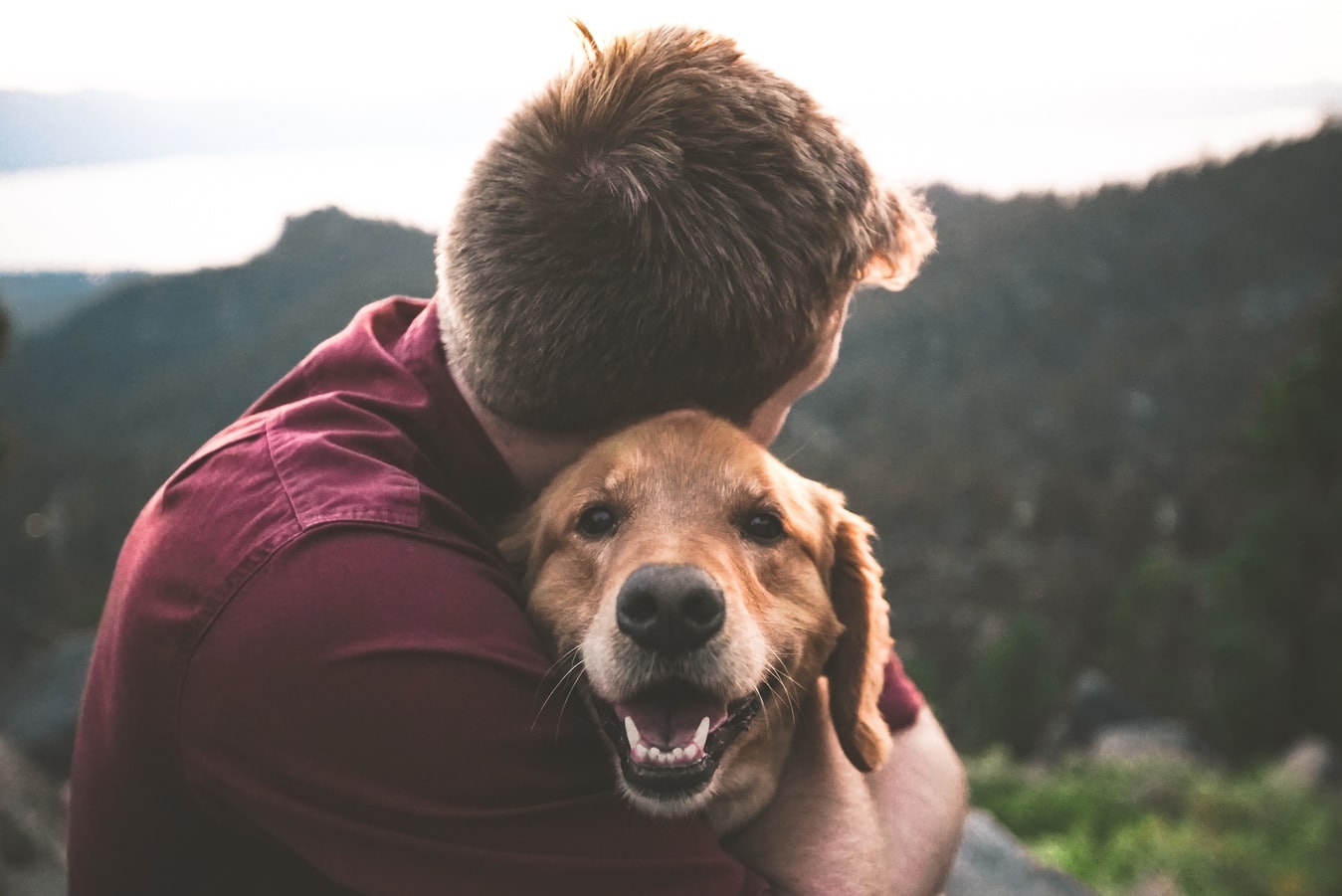
Bring your dog along to meet your neighbors
When you begin to explore the new neighborhood and meet your neighbors, you should bring your dog with you. They’ll begin to familiarize themselves with the new area and smells, as well as what the surrounding area of your home is like. You can also find out which neighbors have friendly dogs that may want to meet yours. And, if your dogs hit it off, book a date for the nearest dog park!
Shower your dog with love
As hectic as the move is, be sure to take the time to shower your dog with lots and lots of extra love and attention. Spending some quality one-on-one time will help make you both feel better and show your dog that this new home is a happy and safe place.
The post How to Introduce a Dog to a New Home After a Move appeared first on Redfin | Real Estate Tips for Home Buying, Selling & More.
from Redfin | Real Estate Tips for Home Buying, Selling & More https://www.redfin.com/blog/introducing-your-dog-to-a-new-home/


Nhận xét
Đăng nhận xét